I was bad at talking to people
When I was young I was socially awkward. It took me years to understand what people actually meant, to read what sat between the lines. I'm still learning.
What changed things was getting to know people from other countries. How people talk, and how they show what they feel, differs a lot with language and with where they grew up. Every difference I learned gave me one more way to connect. Connecting properly without hurting the other person is something I expect to keep learning for the rest of my life.
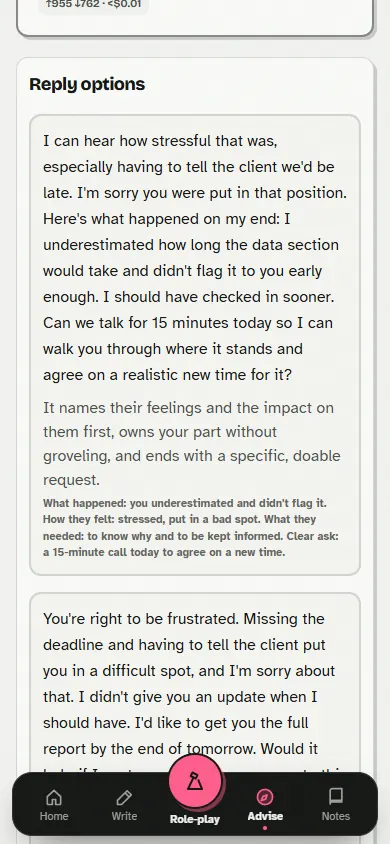
That is where lets-talk came from: a place to practise the hard conversation before you send it.
Built from my own problems
The other apps mostly started the same way.
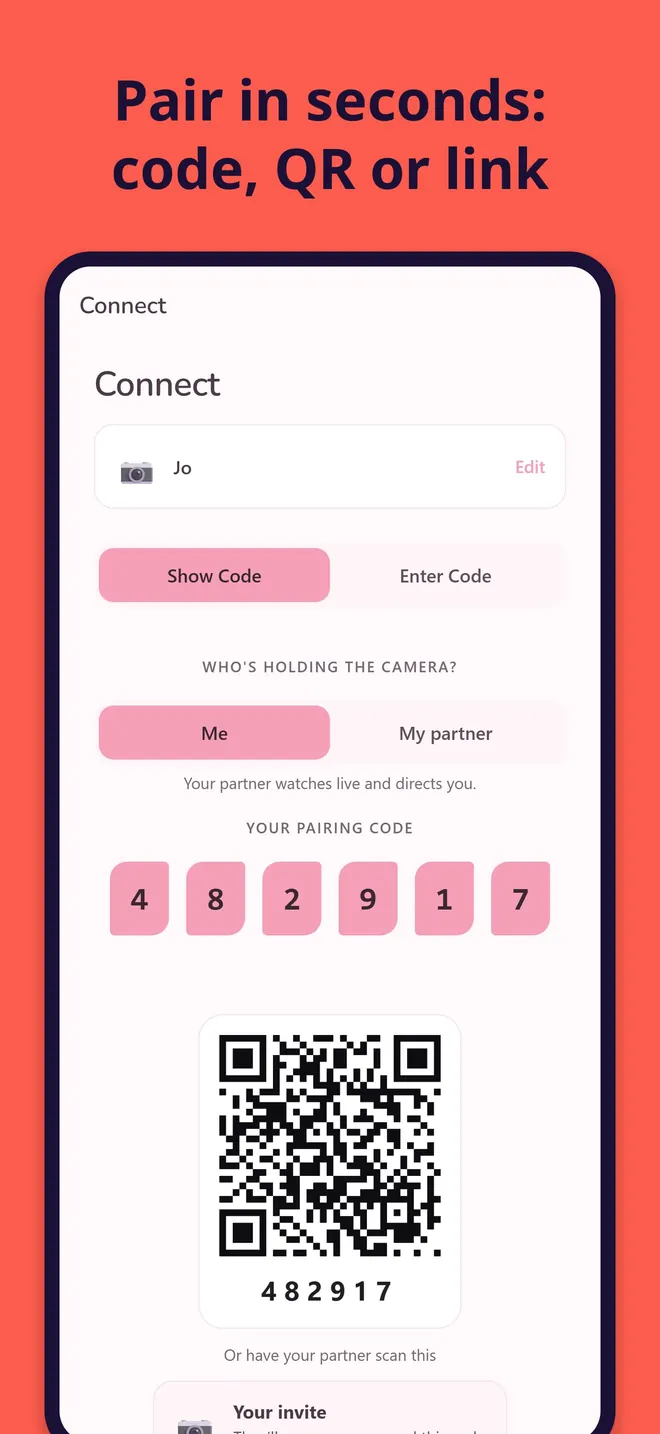
- help her take photo: taking your partner's photo, getting it wrong, and the awkward moment after. It started with us, and then I kept seeing it in other couples.
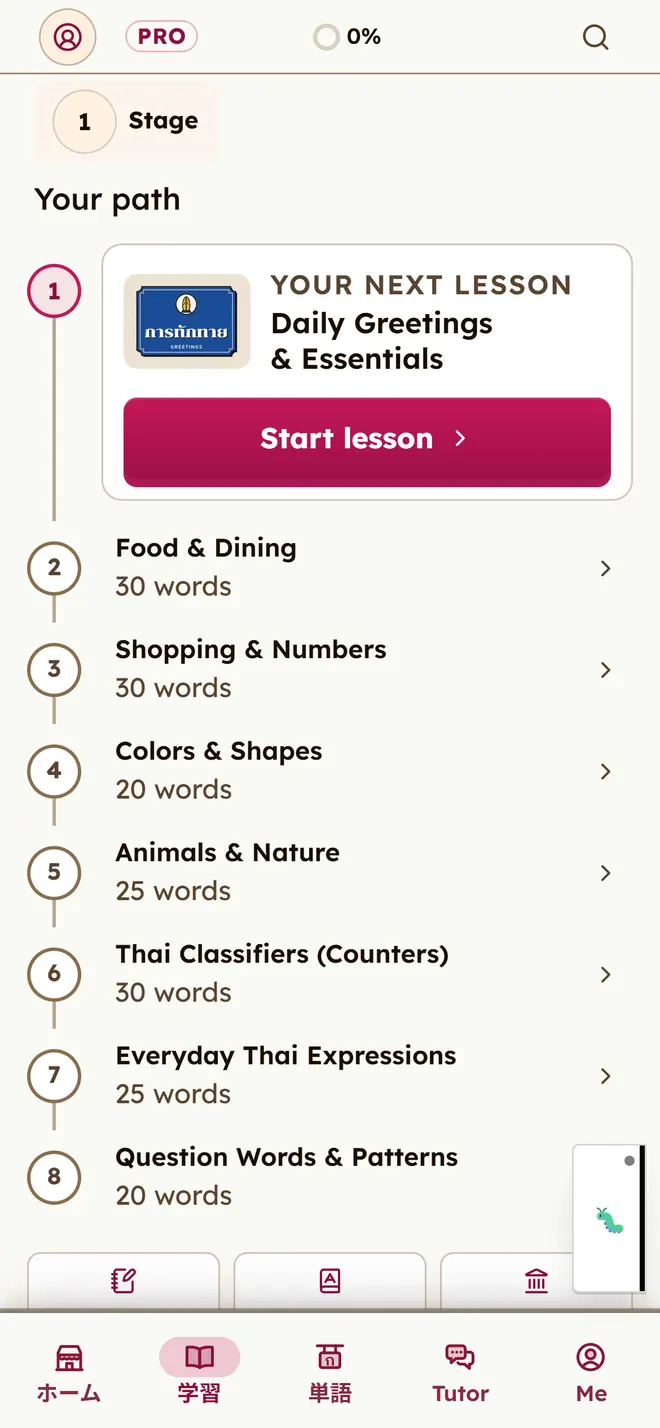
- glot.it: I've learned several languages, and a new one sticks faster when you tie it to your own. It starts with Thai.
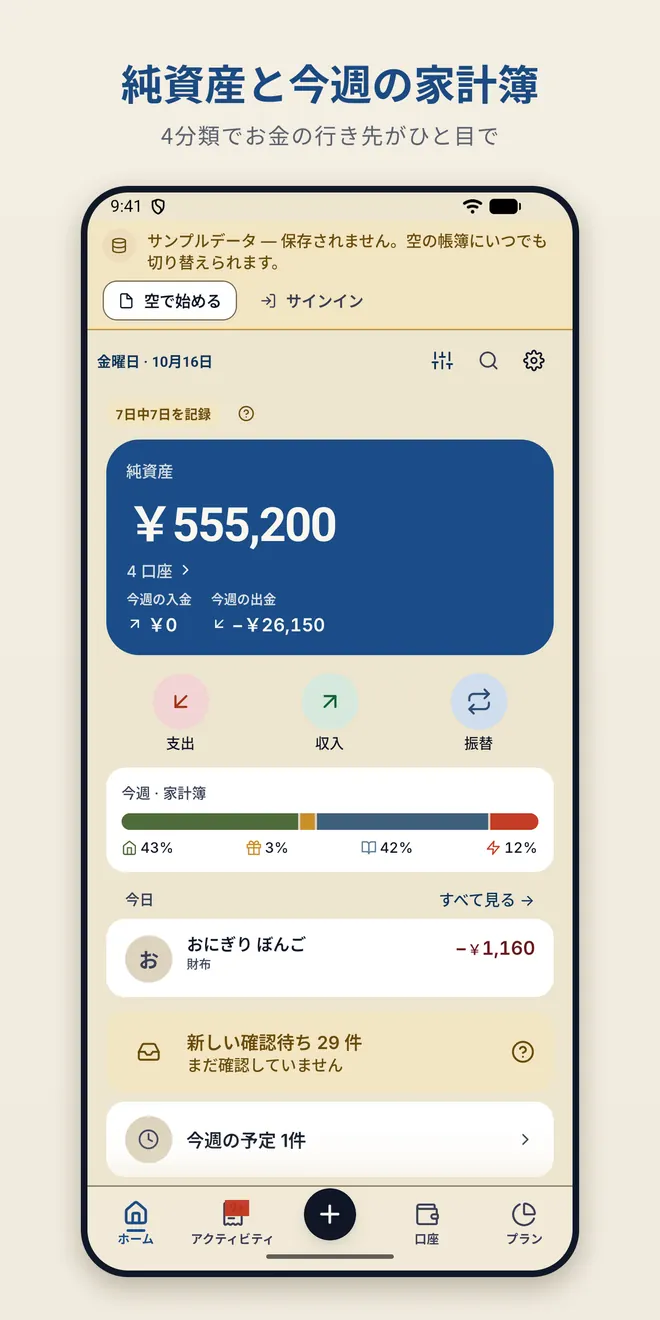
- yen-yen: a household money book for two that works without linking a bank.
- the wanting mind: a free book that follows one question, why we want.
- Solo Boss: doing my own company's books, I kept stalling on which account a payment belonged to. This is the tool that cuts those stalls.
- kenji skills: written instructions that make AI coding assistants follow the same steps, and the same idea of "done", across the 10+ apps I build alone.
The other job, up a mountain
I lived in Singapore for more than 20 years and moved back to Japan about two years ago. I took up camping and climbing, which meant driving out of Tokyo every weekend and crawling home through traffic every Sunday. So we decided to build our own place, where you can work and camp at once.
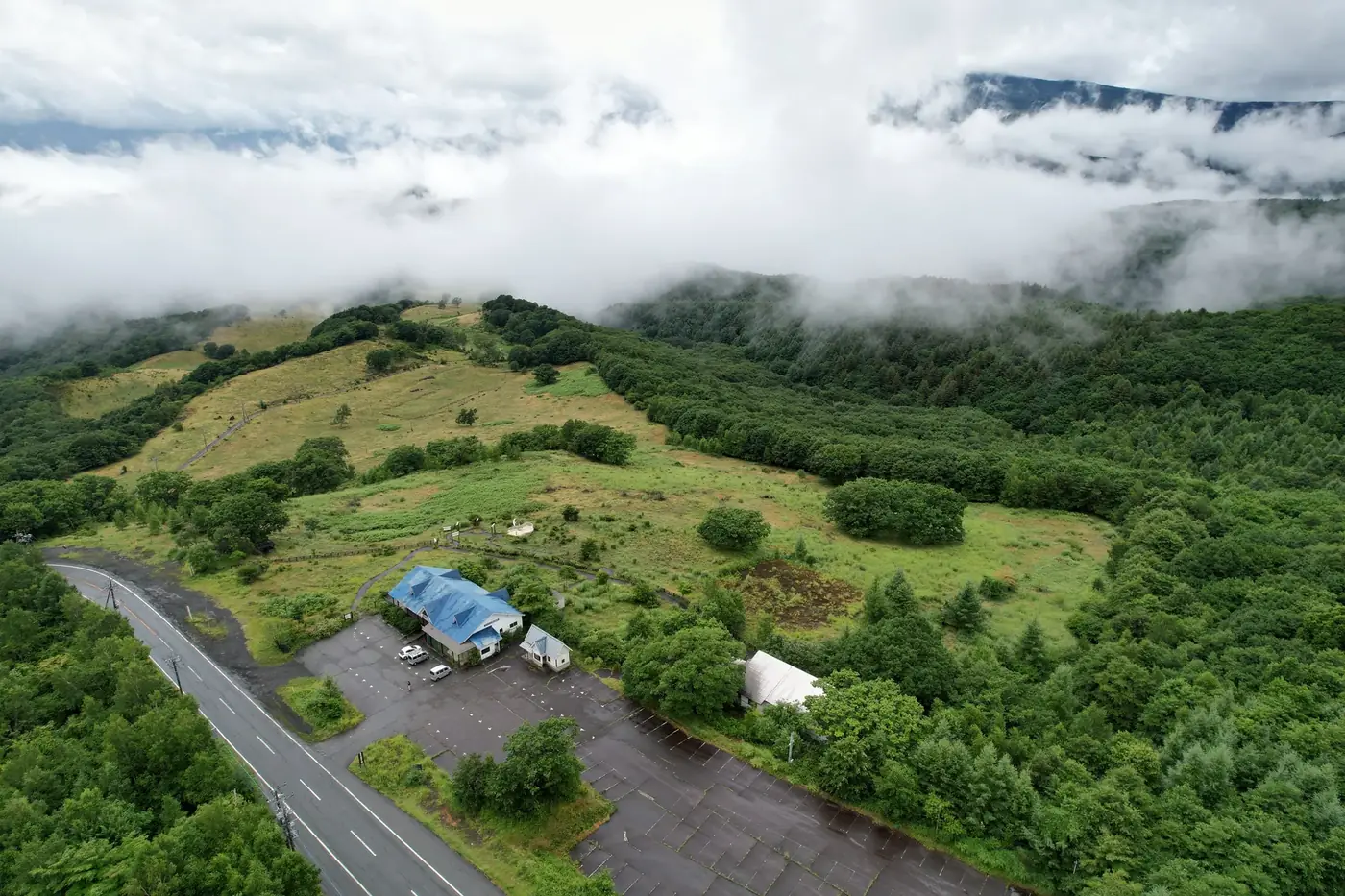
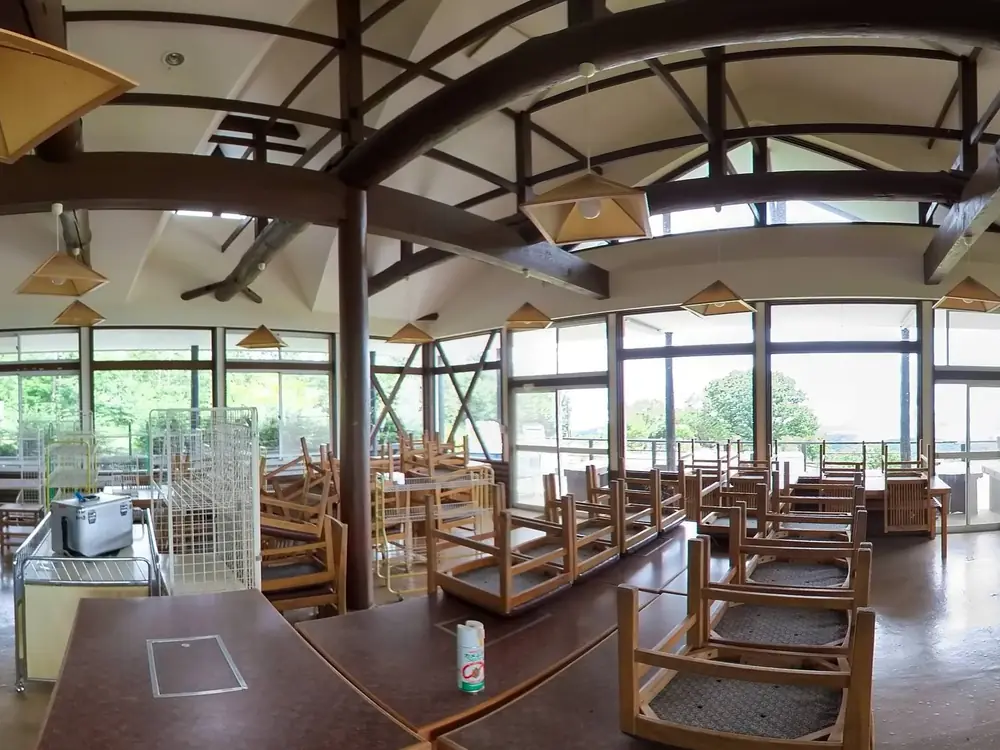
In August 2025 I went to see a closed farm stop at 1,444 m in Tsumagoi, Gunma. The chairs were still stacked on the tables, and the mountains filled the windows. My wife and I spent about a year on it. We redid the kitchen and put in two Daikin commercial air conditioners for heating, and on 8 August 2026 we opened Tsumagoi Work&Camp: a 24-hour lounge on the mountain, where you sleep in your own car or a tent. I built its booking site and the Ranch Monitor that watches the site myself. The name Tsumagoi (嬬恋) means "loving your wife".
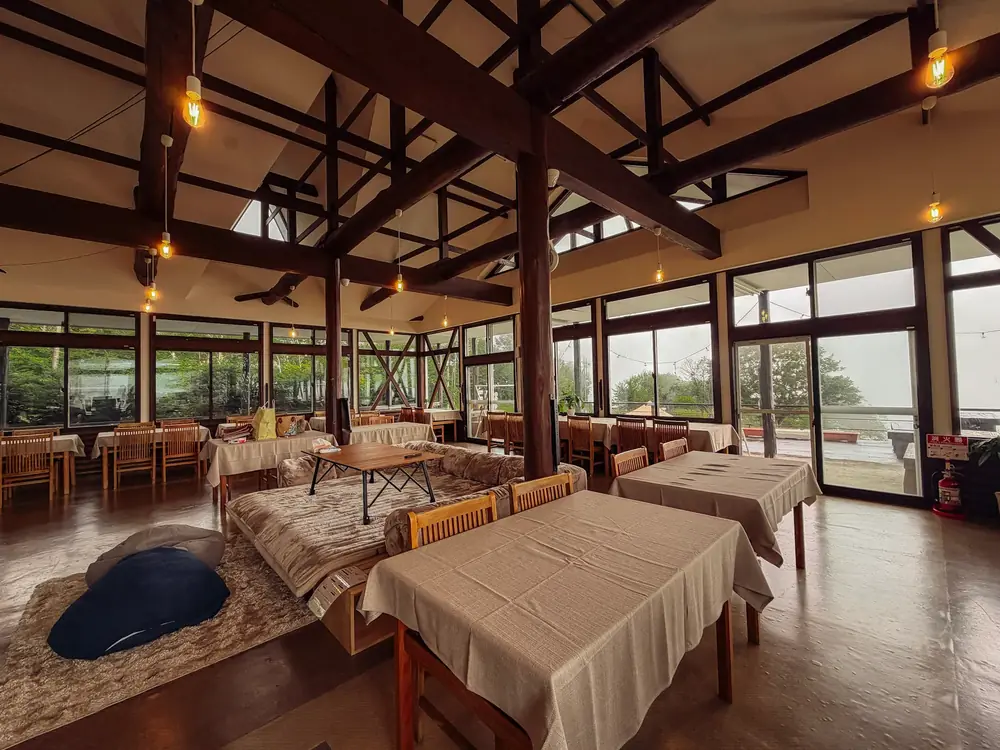
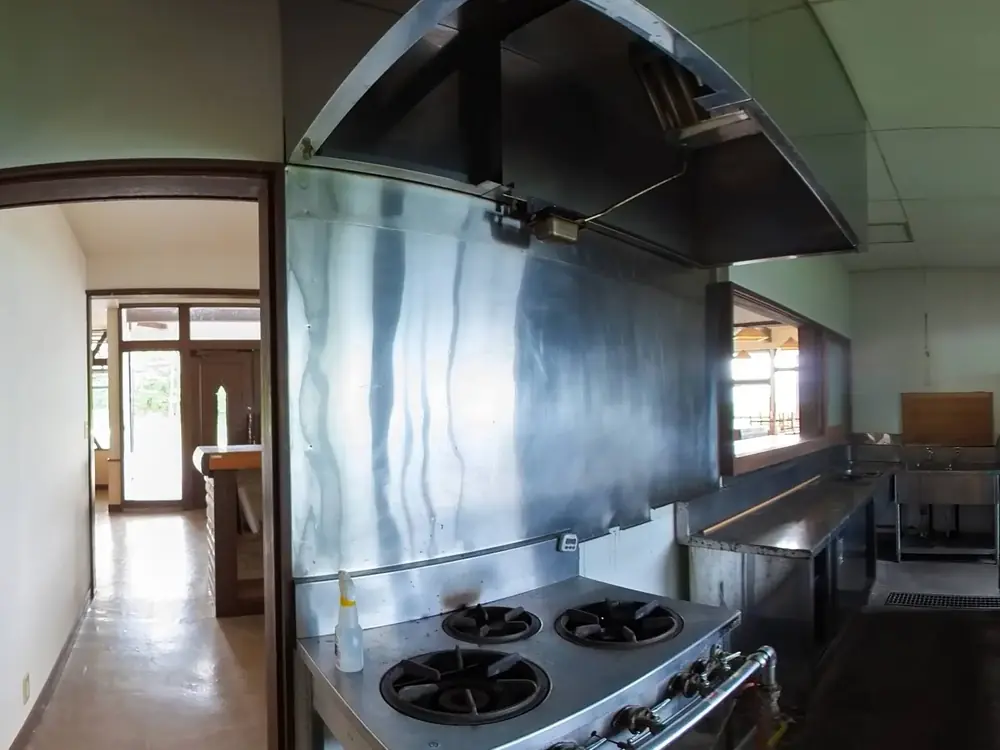
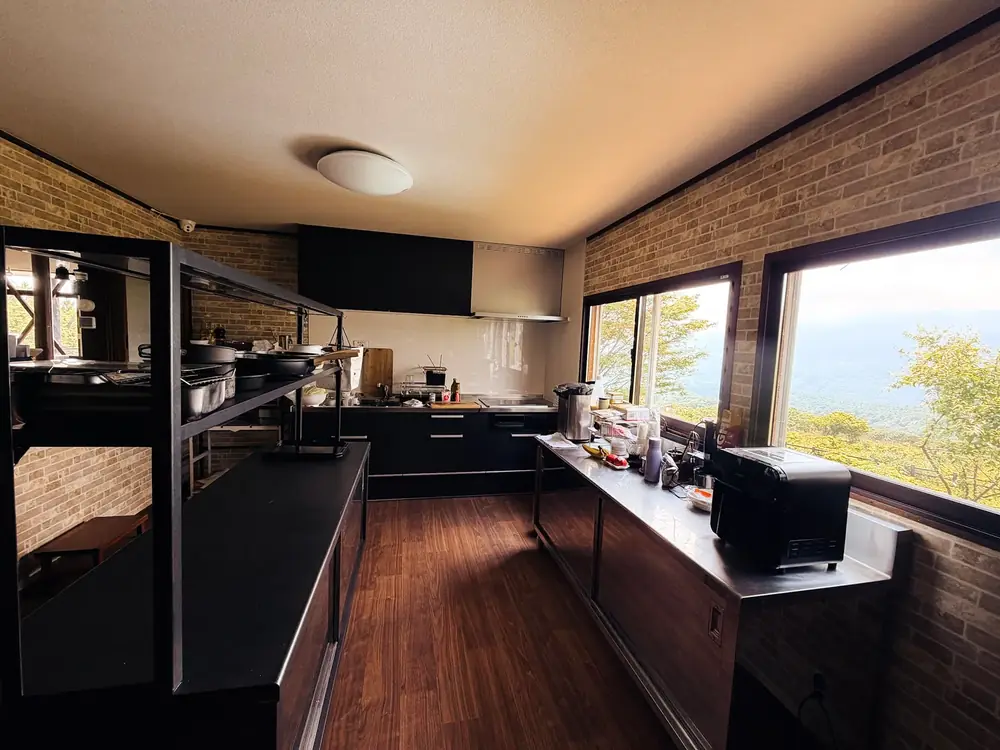
In my mid-30s, up a mountain
For most of my 20s and 30s I worked behind a screen: IT consulting, cyber security, app development. In my mid-30s I wanted to do something completely different. Fix up a building with my own hands. Get through a mountain winter. Work in hospitality and events, an industry I had never touched.
The fit-out and equipment came to about ¥19.5M, and with rent, utilities and other running costs it was a little over ¥23M by opening. The first part was paid from the company's IT business revenue; since April 2026 I've lent the company money from my savings and salary. People told me it was stupid, a waste of money. On paper, maybe. But I learn something every day, and I'm enjoying it.
There's no mains water and no sewer here. Waste water goes through a septic tank, and water is pumped up from below the hill. In winter the pump room has to stay insulated and warm so it doesn't freeze. Cutting grass, insects, taking out the rubbish, the animals that live here: things someone else always handled out of sight in the city, I'm now learning one at a time.
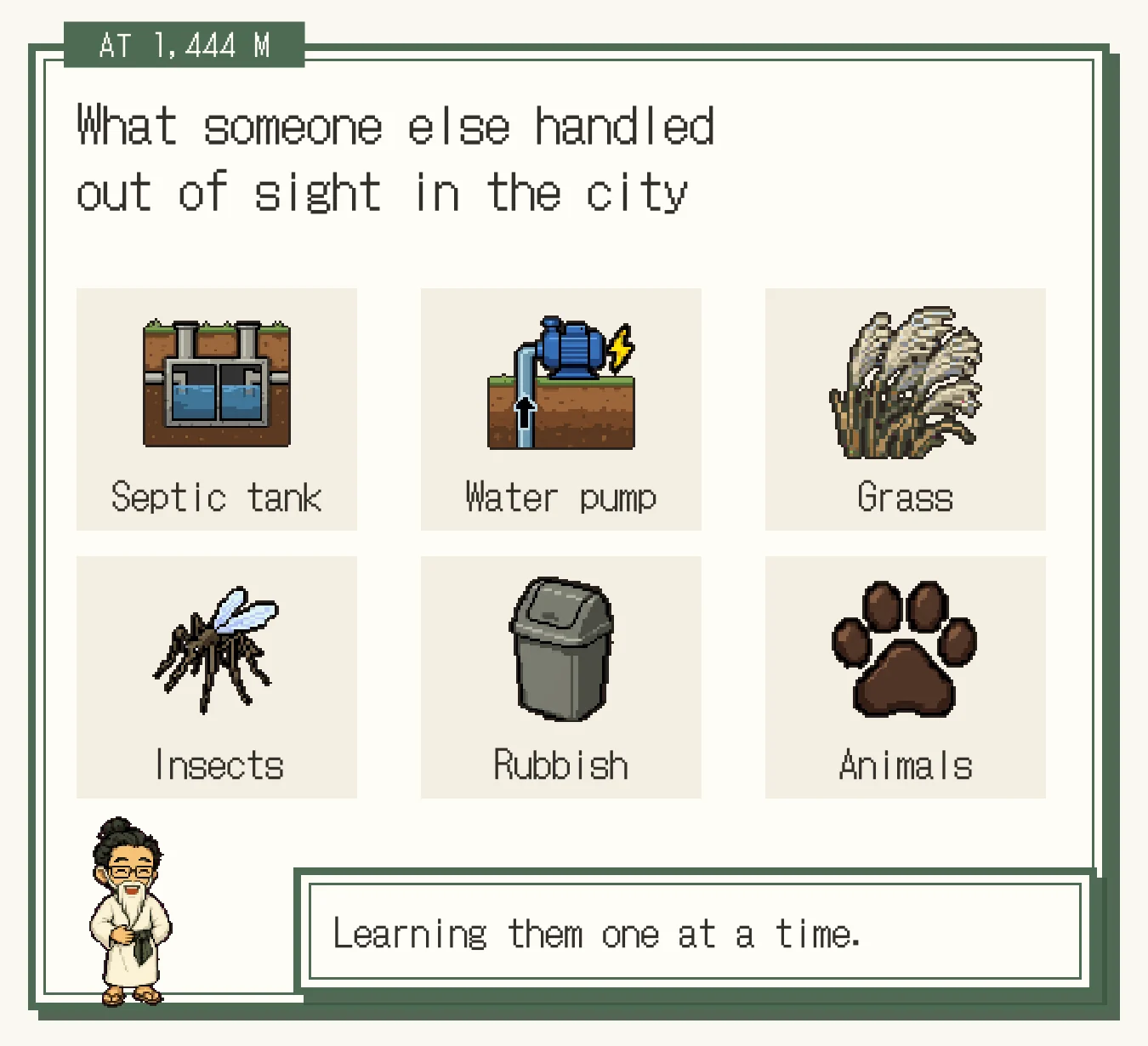
More people building for themselves
With AI, one person can now build a lot. I think life gets a little easier when more people fix the small, annoying things in their own lives and in the lives of people near them. That's what I'm trying to do.
My company, kensaurus, takes on consulting, development and photography, and the ranch is where I try all of it first. We can build the same kind of thing for your place or your business: booking and payments, AI chat, camera and sensor screens. If you have a project, see Work with us. Press: see the press page and the Ranch Monitor press block.
The Tsumagoi Work&Camp side of the story is on Sennin Kenji & KENSAURUS and Who built this, and working with us. I write about daily life on the mountain on note and Zenn (both in Japanese).
kensaurus LLC was founded in Shibuya, Tokyo, in June 2025. What we've made is in the exhibit hall, and what we've written is in the Reading Room.